

Background
With the phasing out of the railway network in Sierra Leone in the 1970s, the road network remained the country’s dominant internal transport infrastructure. As a result, about 98% of all internal traffic flows, including the transportation of agricultural products from the hinterland to the urban areas, and imported items from the urban areas to the rural areas, is carried by road, the remaining 2% being carried by inland coastal water transport.
The Public Works Department (PWD) in the Ministry of Works (MoW) was up to 1992, directly responsible for the planning, design and construction of all designated public roads in the Sierra Leone. This responsibility was in addition to other public maintenance activities, such as the maintenance of public buildings, inner channels and ports, with which the Department was charged. Under the circumstances therefore, PWD became encumbered with more functions than it could efficiently handle. This in essence meant that there were very limited resources that could have been dedicated to any effective maintenance of the road network which is the major means of transportation.
The inadequacies of the PWD became glaringly manifest during the implementation of the first and second highway projects of 1971 and 1981 respectively. These were both programmes of road rehabilitation and maintenance, financed through donor support. Both projects failed to achieve any significant institutional building results, as shown by the Projects completion Reports (PCRs).
It therefore came as no surprise that suggestions made by the PCRs, especially after the Second Highway project, focused among other things on the need to have a project executing agency and taking steps to seeing that the high idle labour force employed by the department was reduced and establishing a separate highway entity.
The foregoing factors prompted the Government of Sierra Leone (GoSL) and other donor agencies involved in the roads sub-sector to commission a study in 1991, aimed at creating an efficient and effective road management organisation.
Based on the recommendations of this study, the Government legally established the SLRA in March 1992, to take over from the PWD the administrative control, planning, development and maintenance of all roads and related structures and bridges and ferries in Sierra Leone.
Institutional Authority
As a semi-autonomous entity, the SLRA has the authority to hire and fire staff, sign and award contracts, receive the bulk of its funds for road maintenance from the Road Fund as allowed by parliament, and to levy other road user charges.
Operational Status
The Sierra Leone Roads Authority (SLRA) became operational on March 1, 1993 under the SLRA Act of 1992. The establishment of the SLRA satisfied on the three elements of the Sierra Leone Government’s strategy for addressing the problems of the road sub-sector which are - to build institutional capacity to better plan and manage on a sustainable basis, the maintenance, development and control of the country’s road network.
Vision
To be an effective and professional road authority that delivers a reliable, safely engineered national road network contributing to development and connectivity within Sierra Leone.
Mission
To provide a safe, reliable and sustainable national road network for the enhancement of the socio-economic development of the country.
Impartiality
Frank, honest, and timely advice to Government and donors.
Equal Opportunity
Employment irrespective of tribe, region, or sex.
Commitment
Professional, effective and efficient service delivery.
Accountability
To citizens, their rights and heritage.
Ethics
Leadership, trustworthiness, and integrity.
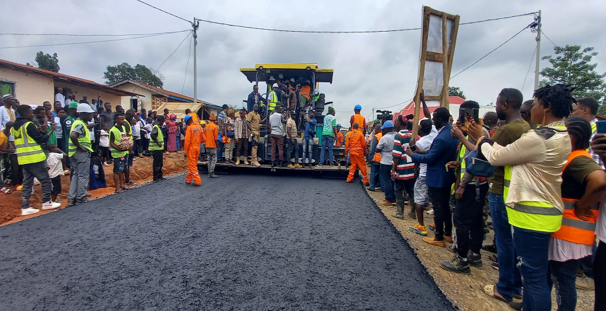
Road Planning & Construction
SLRA plans, constructs, rehabilitates and oversees national roads, highways and bridges to improve connectivity across Sierra Leone.
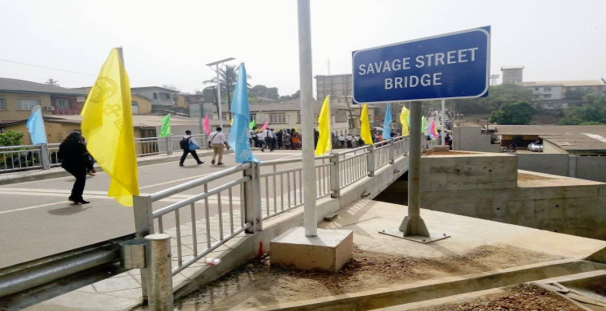
Road Maintenance
The Authority conducts routine and periodic maintenance, emergency repairs and surface restoration to ensure safe and functional roads.
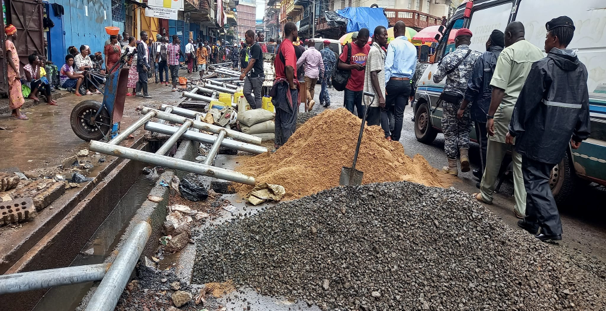
Right‑of‑Way Management
SLRA clears and manages road rights‑of‑way to protect road infrastructure and enable future expansion and utility services.
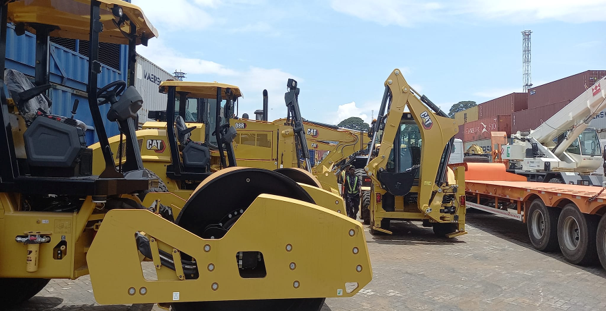
Asset & Infrastructure Management
Through digital systems like the Road Asset Management System (RAMS), SLRA monitors road assets, bridges and related infrastructure for better planning and sustainable maintenance.