
SLRA AXLE LOAD POLICY HARMONIZES WITH ECOWAS STANDARDS
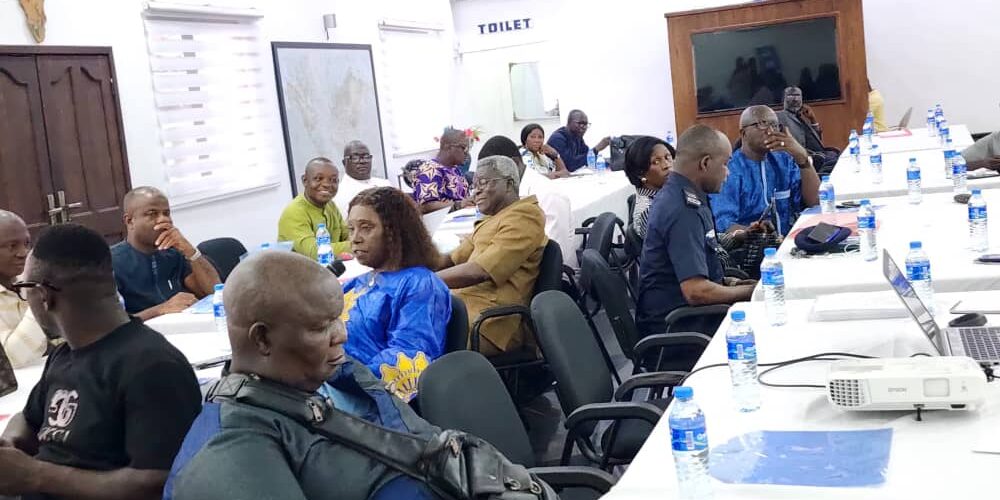
The Sierra Leone Roads Authority (SLRA) has concluded a two‑day stakeholders’ engagement on Axle load regulations and vehicle Load Management strategies, marking a significant step toward aligning national transport policies with regional standards.

According to consultant Ing. Alhaji Alpha Badamasi Savage, the initiative focused on protecting national investments in roads and bridges, reducing maintenance costs, and improving road safety as Sierra Leone complies with ECOWAS transport regulations.
ECOWAS first adopted its harmonized axle load policy in 2012 to regulate heavy truck weights across West Africa. The policy sets strict limits: 10 tons for single axles, 16 tons for tandem axles and 46 tons maximum gross vehicle weight.
Its objectives are clear, safeguard road infrastructure, enhance safety, and reduce transport costs.
For Sierra Leone, the policy is critical. The country’s road network remains fragile and costly to maintain, with overloaded trucks long blamed for potholes, damaged highways, and unsafe driving conditions. Enforcing axle load limits is expected to preserve roads and ease the financial burden of repairs.
Consultant Ing. Badamasi Savage highlighted the policy’s alignment with national laws, including the Road Traffic Act, 2007 (Act No. 5 of 2007) and the Road Traffic (Axle Load and Overload Control) Regulations, 2015 (Statutory Instrument No. 1 of 2015). He stressed that ECOWAS provides a regional framework that complements Sierra Leone’s legal obligations, offering a unified approach to road safety and infrastructure protection.
Deputy Director General of SLRA, Ing. Vandy French, emphasized that harmonized regulations will not only protect infrastructure but also strengthen Sierra Leone’s role in regional trade. He noted that smoother cross‑border transport will boost competitiveness for exports such as mineral and agricultural products.
He also acknowledged challenges in enforcement, inter‑agency coordination, and compliance, but expressed optimism that the new framework offers an opportunity to overcome these hurdles.
With support from the African Development Bank and the Road Maintenance Fund Administration (RMFA), SLRA is working to align national regulations with ECOWAS standards. Plans include installing weighbridges and monitoring systems nationwide to ensure compliance.
Stakeholders across Sierra Leone welcomed the initiative.
Sahr A.K. Lamin, Chairman of Kailahun District Council and President of the Local Councils Association Sierra Leone (LOCAL‑SL), praised the policy as vital for preserving the road sector and ensuring greater safety for citizens.
Superintendent Edmond Kamara of the Sierra Leone Police assured stakeholders that the force will enforce compliance with the new laws.
Local authorities pledged their support during the two‑day engagement, underscoring the policy’s potential to protect Sierra Leone’s roads, enhance safety, ease cross‑border trade, and strengthen regional ties.
Public Relations Unit
Sierra Leone Roads Authority
Post a Comment